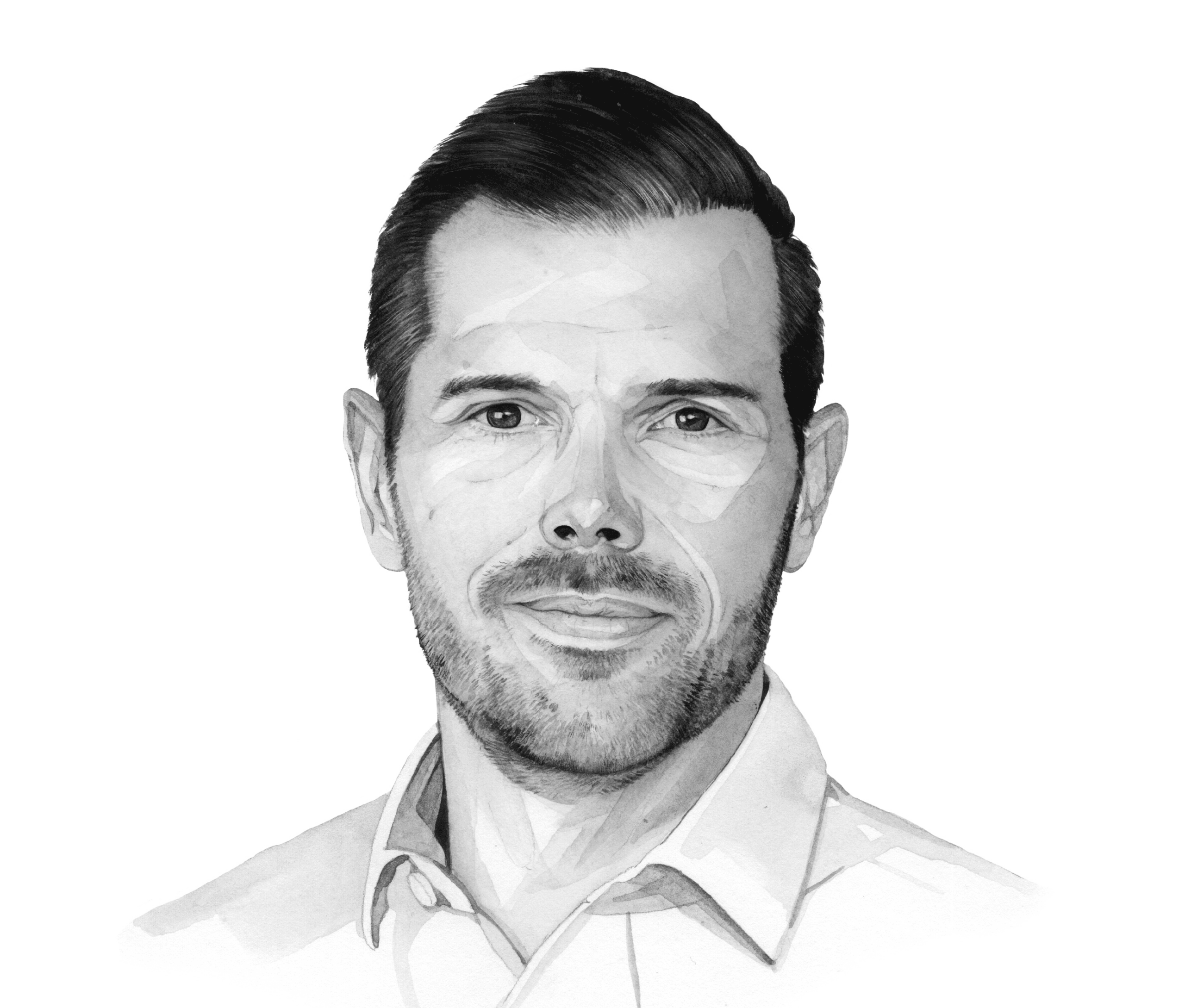
Jung Chang achieved global fame after her first book, Wild Swans, was published in 1991. In it, she wrote about the upheavals of twentieth century China through the stories of three women — her grandmother, a warlord’s concubine whose feet were bound; her mother, who became a fervent Communist Party member before suffering greatly during the Cultural Revolution; and herself, growing up through the last years of Mao Zedong’s rule. In her new book, Fly, Wild Swans, she brings the family’s story up to date, describing her own arrival in London in the late 1970s, how she became an author and how her relationships with her family and China more broadly have developed to the present day.
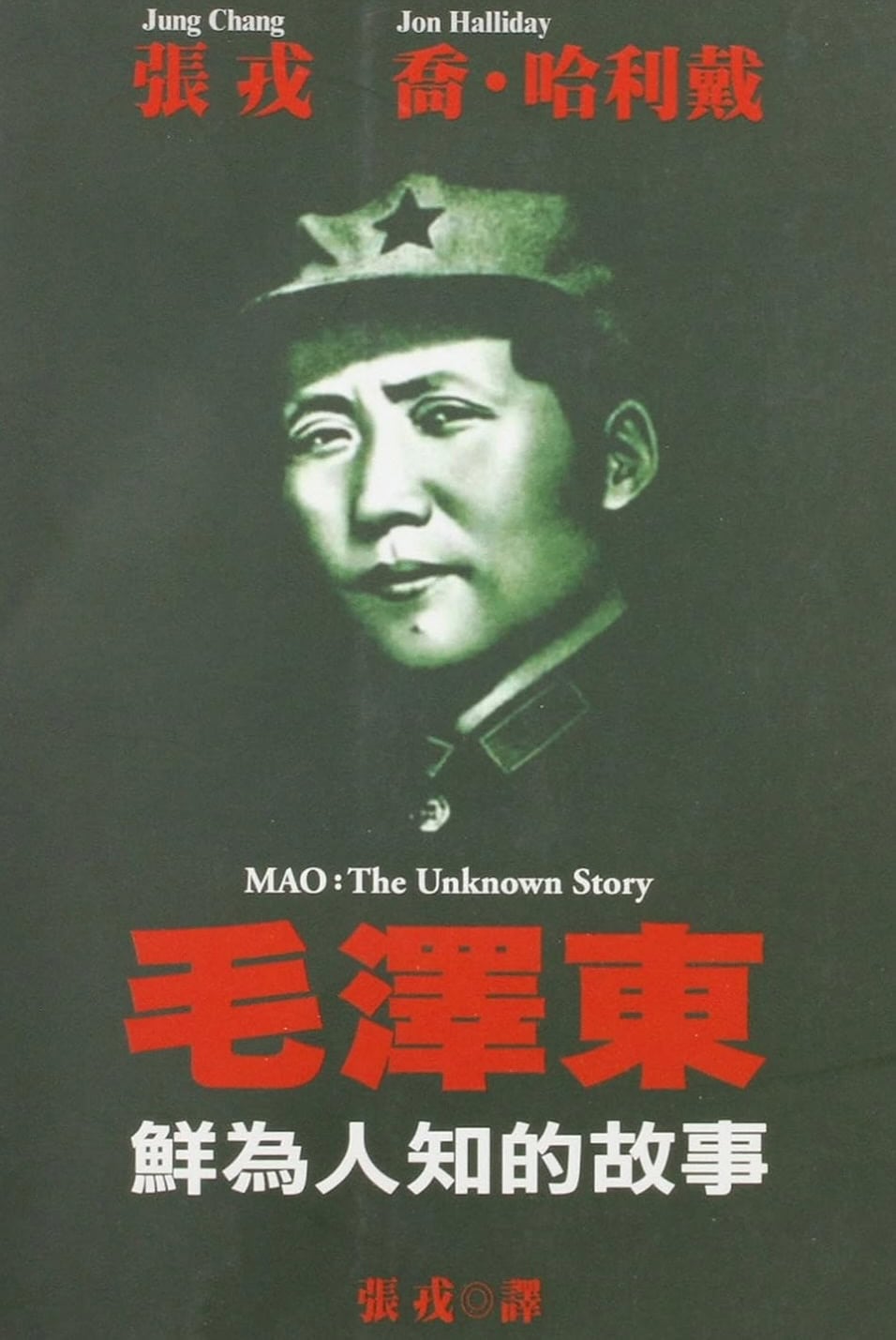
Jung Chang’s other books include Mao: The Unknown Story (2005), written with her husband Jon Halliday, and a biography of the Empress Dowager Cixi. We recently met in London, where she still lives: the following is an edited transcript of our conversation.
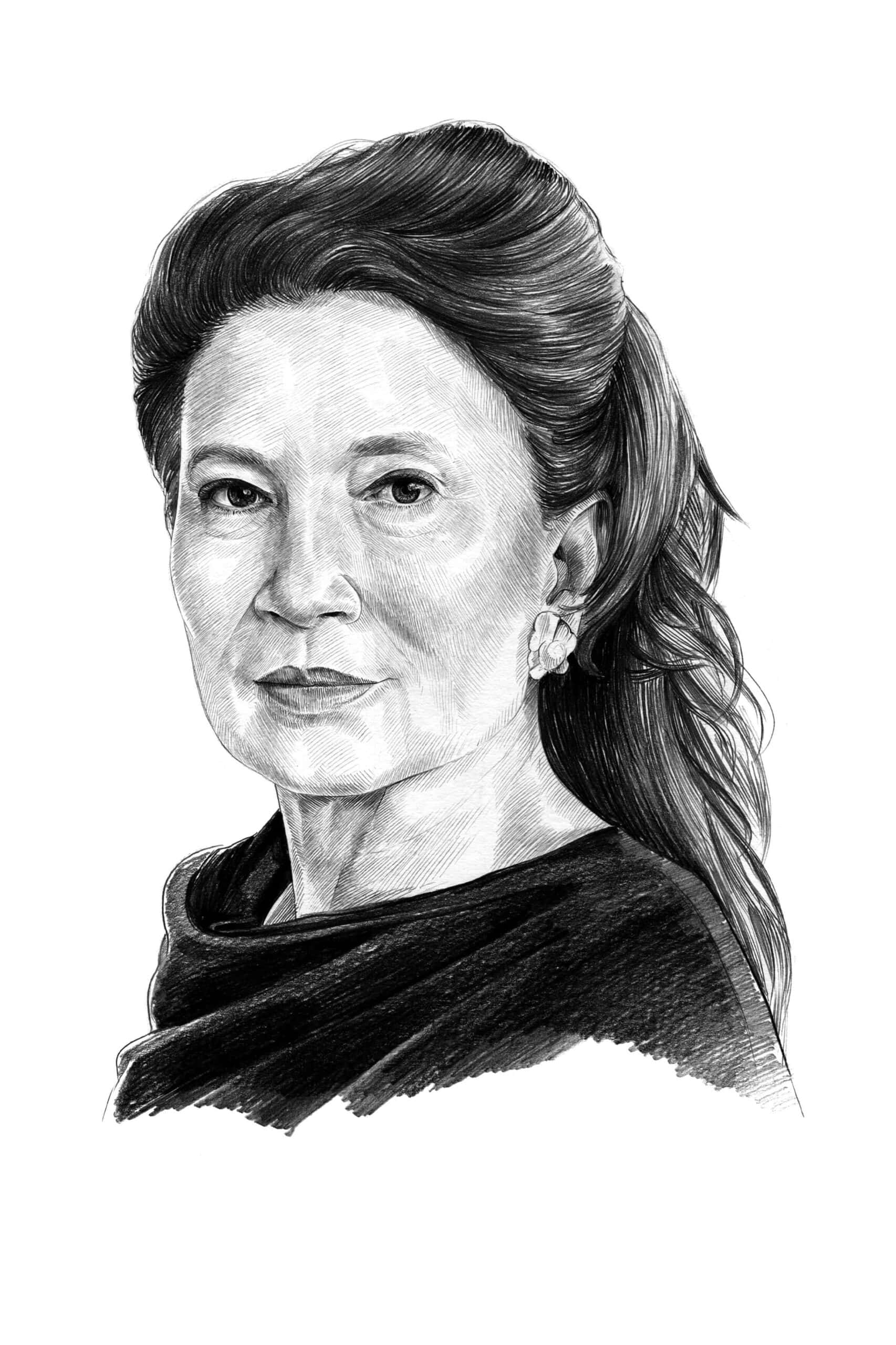
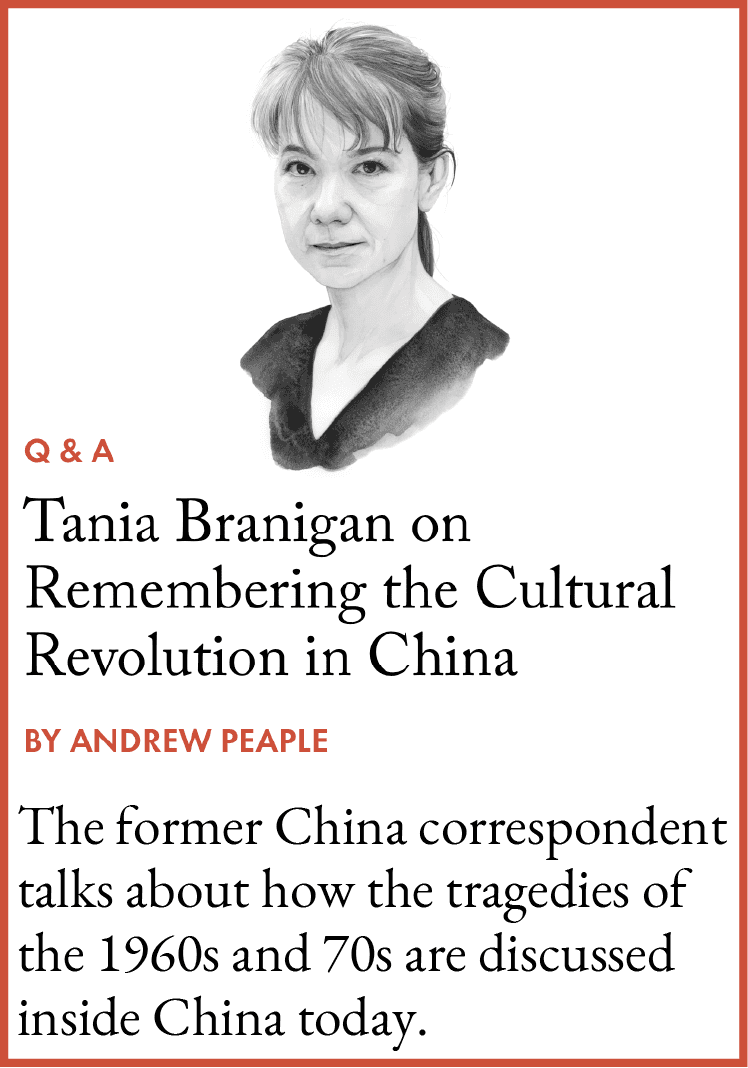
Illustration by Lauren Crow
Q: Why have you decided to write this follow-up to Wild Swans now, over three decades on from when it was published?
A: The idea first came to me in 2023. By then, I had decided that I would not fight to get back into China to see my mother, because I feared that even if I did, I probably wouldn’t be allowed out. Thank God, we now have video calls, so I was able to see my mother. But of course, she wasn’t able to talk much, because she was then in her early 90s; this year she is 94.
I looked at her and a lot of thoughts and memories came back to me. I realised how much I owed my mother, and what an extraordinary woman she was and is. She helped me gain freedom, she helped me become a writer, and she helped with the success of Wild Swans. I owe her for being who I was and who I am, my freedom to live and write freely. I owe all this to her, and so I thought of writing a book about her.
And then I realized that it was now more than 40 years since the point where Wild Swans ends, in 1978, with me coming to Britain. 1978 was a watershed for China, the year the post-Mao era really started. The door of China was now open and I was one of the first Chinese to be able to come to the West to study. My mother played a key role in me being able to come.
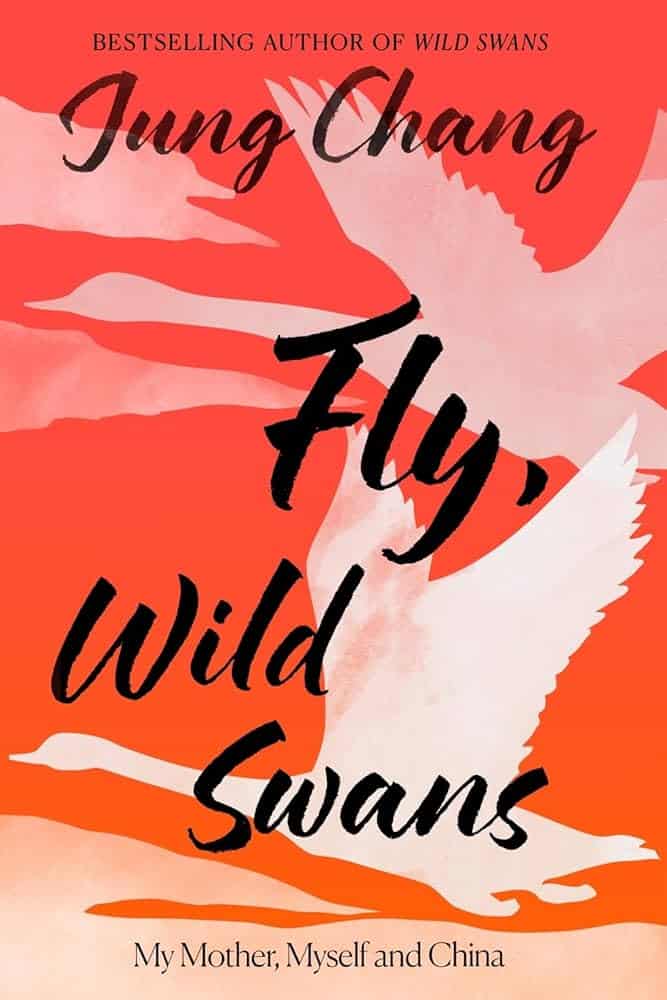
Since then, a lot of dramatic things have happened. Our lives seemed to have been intertwined with the ups and downs of China’s transformation and reforms, as it has risen from being a decrepit and isolated country to a world power poised to challenge American dominance. And so I decided to write this book.
Can you give us a sense of the journey that your mother has been on, from being a fervent supporter of the Communist Revolution to the place she has arrived at today?
I think that my mother’s character was very much formed by my grandmother’s. My grandmother suffered from foot binding at two years old; the pain lasted for all her life. At the age of 15, she became the concubine of a warlord [by whom she had a daughter, Jung chang’s mother]. She was a very strong character, and she eventually kidnapped my mother from the warlord’s mansion, and escaped.
In 1989, I went to China to research Wild Swans, and visited that place. I realized how incredibly difficult it must have been for my grandmother to flee the mansion, along the very rocky roads with sharp stones, away from the gigantic and well guarded mansion — she made that journey on her crushed and bound feet. She was sustained by one idea, which was not to lose her daughter, because if she had gone on living with the warlord’s extended family, her daughter — my mother — would have belonged to the warlord’s official wife. My mother would not even have been able to call her mother, Mother.
[Mao] was like the god, the food, the air: you don’t question why you have to eat, or why you have to breathe, and Mao was on that level. The brainwashing was so thorough, I think because China was so completely isolated, and there was no alternative source of information.
My mother grew up with my grandmother, witnessing the stigma she suffered from having been a concubine. When my grandmother later wanted to marry a Manchu doctor, Dr. Xia, his family was against the marriage because my grandmother had been a concubine. And so my grandmother moved with Dr. Xia to Jinzhou, in Manchuria. I also visited that place and saw the slum area where they had lived, situated below a dam.
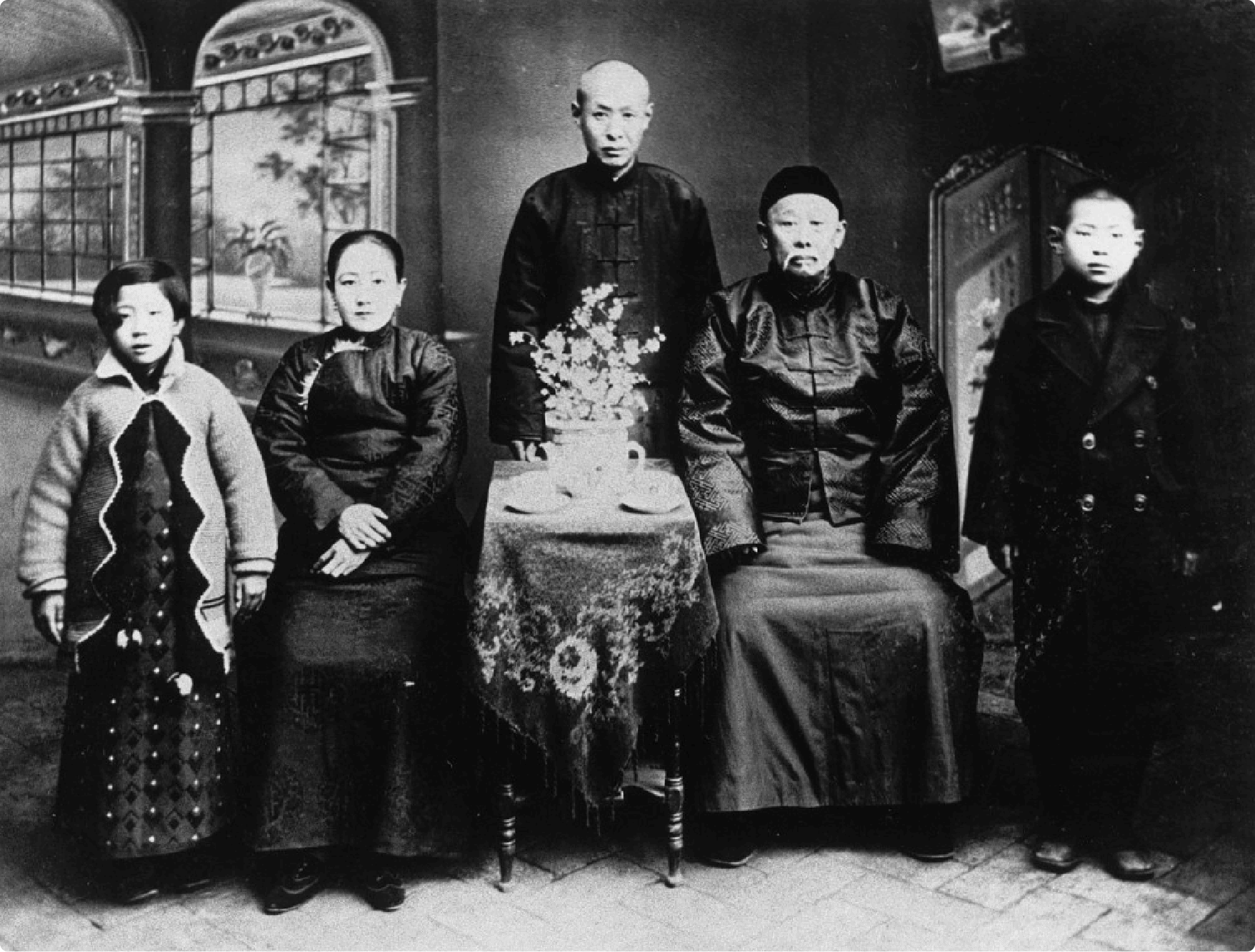
They must have lived in constant fear that the water would burst through the dam, and that they could be swept away. Yet both my grandmother and my mother said that was the happiest time in their lives. My mother says that her mother would often say to her, if you have love, even drinking cold water is sweet. She saw that my grandmother had been very unhappy being the concubine of the warlord general, even though she had a big house, servants and masses of jewellery.
And so when my mother later married the man she loved, even though she was living in poverty, she was happy. She became left wing and was drawn to the Communists because at that time, the late 1940s, they promised to abolish concubinage, whereas the Kuomintang [the Nationalists, then headed by Chiang Kai-Shek] didn’t.
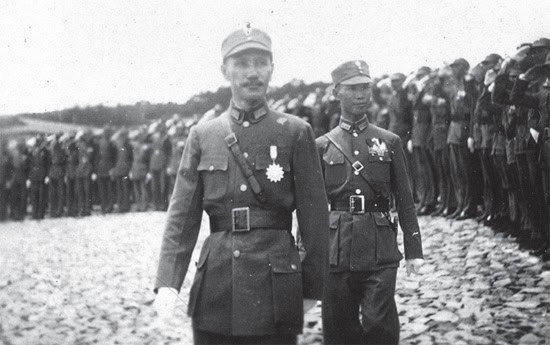
Kuomintang intelligence operatives were then pursuing left-wing activists: My mother’s friends were arrested, and one of her friends died, presumably under torture. My mother’s then-boyfriend, when she was 17, was also said to have died under torture, although many years later she learned he hadn’t died then, but had later died during the Cultural Revolution.
It seems to me that the real theme of the book is the strength of the love that has held your family together through so many upheavals. To illustrate that, can you talk about some of the things you experienced during the Cultural Revolution?
I think our feelings of love were really born from these extreme and abnormal circumstances. Those emotions may not have been so strong, so fierce, had we been living in a normal society.

From the beginning of the Cultural Revolution, [in 1966] when I was 14, I saw my parents, my father [who was a senior CCP official in Sichuan speaking up against it; and then being denounced at denunciation meetings, paraded on a slow moving truck with a plaque hanging from a thin wire over his neck. He was struggling to stand up, to lift his head and was set upon when he refused to kneel and kowtow to Mao’s portrait. This was all after he had written to Mao, to protest the Cultural Revolution: it seems minor, but that was the only thing you could do to influence policy.
So I admired my father very much. When he had a breakdown, because of the mental torture he suffered in prison, I lived with him in our flat and realised that if we weren’t with him, he could die any time, he could commit suicide. I decided to make sure he had the company of his family. Because as my father said, if it hadn’t been for the love of his family, he would have committed suicide way back.
I also remember going to the denunciation meetings with my mother as the victim. In the Cultural Revolution Mao’s targets were mainly party officials: he wanted to purge them because he regarded them as not having followed his orders with as much dedication as he would have liked. Usually such party officials were denounced by their subordinates, but my mother’s subordinates were very nice to her because she liked to help people and solve their problems.
In 1967, after my father came out of prison having had a nervous breakdown, he was burning things in our apartment, and he struck my mother. As a result, my mother nearly became deaf in one ear; he also tried to strangle my mother. We fled, but had nowhere to go. It was actually the Red Guards from my mother’s department, the people who were working under my mother, who gave us a room at that time. The head of the Red Guards had two rooms with the girlfriend he lived with. When he saw how we couldn’t cram ourselves into the smaller room, he swapped the rooms with us.
There are a lot of stories about my mother like this. She suffered because she stood up for my father, wouldn’t denounce him, wouldn’t divorce him. She was put into denunciation meetings, all because of my father, and made to kneel on broken glass. When she asked me and my siblings whether we would like her to divorce my father, we all said no. And so we stuck together.
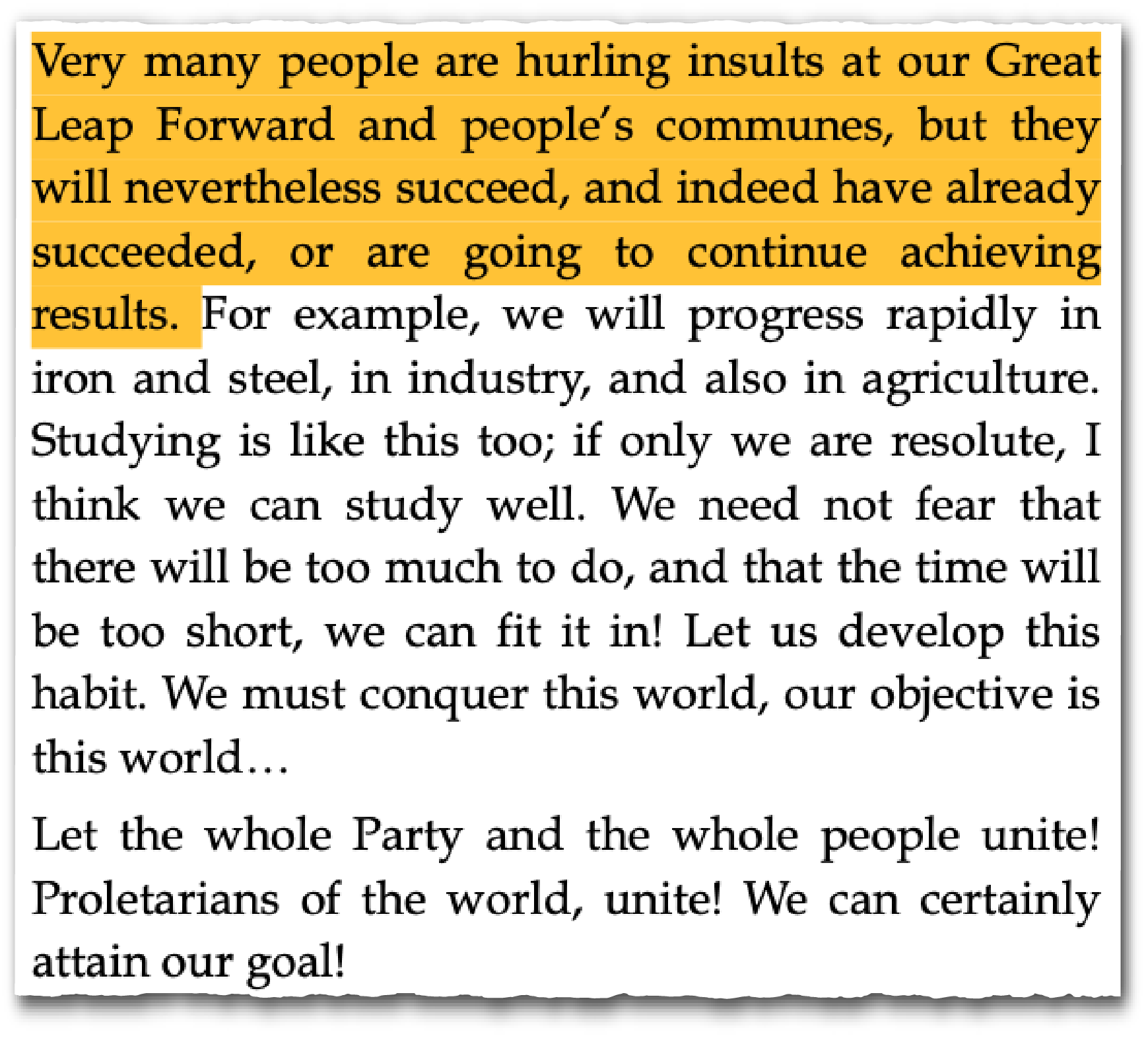
Your father had been a true believer in the Communist Revolution: The fact that it all went sour — with the famine caused by the Great Leap Forward in the late 1950s and later the turmoil of the Cultural Revolution — must have contributed to his mental breakdown.
Yes. I think for him, because he was such a wholehearted believer, the blow was harsher. That was why he felt he had to speak up [against the Cultural Revolution], because it was so different from everything he expected.
I remember, during the great famine [in the late 1950s], when I was about eight or nine, my father saying to me with a lot of emotion on his face, ‘Why did we make revolution? We made revolution because people are starving. We want to give people food.’ I think the famine affected him very much. By the way, I avoid using the term the Great Leap Forward. It’s not entirely wrong — there was a sort of industrialization. But that was not the key thing: 40 million people dying and industrialization don’t have to be linked.
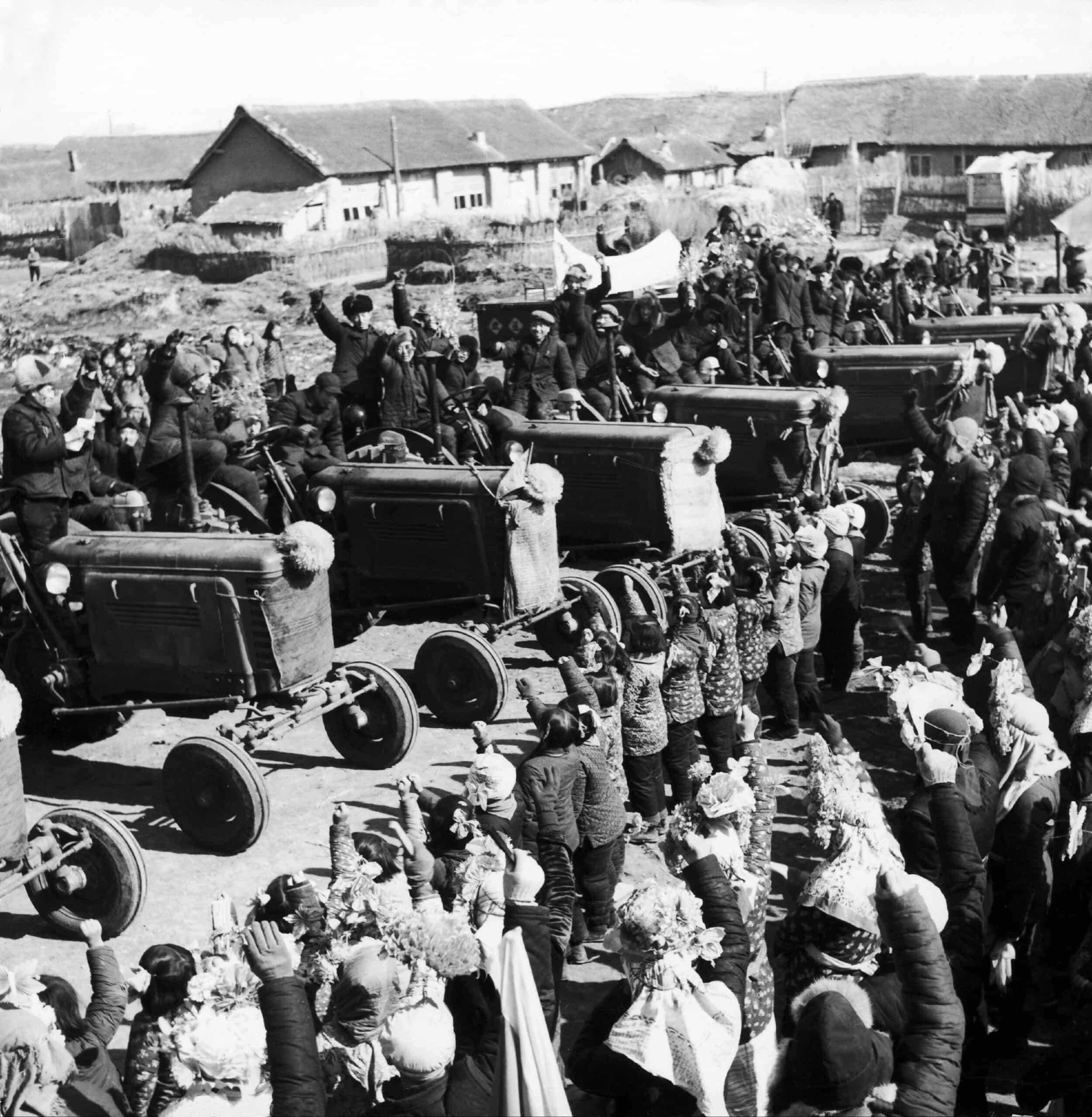
Mao was paying for his industrialization with food, sending it to Russia and the Soviet bloc, exporting food that he knew his people were dependent on for survival, because China was never able to produce enough food to feed itself. When Mao came to power, he had put a stop to a lot of food imports. When we came to 1958–61, instead of importing food, he was exporting food on a gigantic scale. Jon [Halliday, Jung Chang’s husband and co-author of a Mao biography] and I calculated that without those exports, not a single person in China would have had to die.
Of course, my father didn’t know all this, but he could see that there was no bad weather, and that there was food in the storage place waiting to be shipped. Usually people say ship the food to the cities, but everybody was starving in the cities as well, even the Communist leaders.
I had come to Britain in 1978 and decided I didn’t want to think about the past… But my mother encouraged me to write Wild Swans. And I think it was a cathartic experience. It made the past not so painful that I still wanted to run away from it. I could now talk about it, I could look at it, and I became intensely curious about it.
So where did the food go? Jon and I started to pursue this from the documents of the Russian archives and wherever else that benefited from China’s food exports, East Germany, Albania, these places. East Germany lifted its cooking oil rations thanks to Chinese exports; whereas back in the Chinese village where I was, we had what we called ‘Red wok food’, which means we had no oil, and we had to heat the wok to a very high temperature so the vegetables didn’t stick to the pan.
My father was in the villages then, and he came back suffering from an edema out of starvation. He wrote to Mao about the situation, but he was persuaded by the Sichuan governor to withdraw the letter because of the consequences for his family. My father had a sense of guilt about this for years, until the Cultural Revolution, when he felt he had to speak up.
You were a teenager at the time of the Cultural Revolution, caught up in the frenzy like so many young people. When did it start to dawn on you that this was not rational?
Well, we couldn’t think rationally. We didn’t know what rational was.
When I was growing up there was the intense personality cult of Mao. When my friends and I were children, if we wanted to assert something was the truth, we would say ‘I swear to Chairman Mao’. He was like the god, the food, the air: you don’t question why you have to eat, or why you have to breathe, and Mao was on that level. The brainwashing was so thorough, I think because China was so completely isolated, and there was no alternative source of information. No parents would say things to their children that were different from the party line, because children might blab and it would hurt their future, as well as bringing disaster to the family. Parents who loved their children said to them, do as Chairman Mao says. You couldn’t talk to your parents, you couldn’t talk to your friends. Without being able to talk, it’s difficult to process things, and to think rationally.
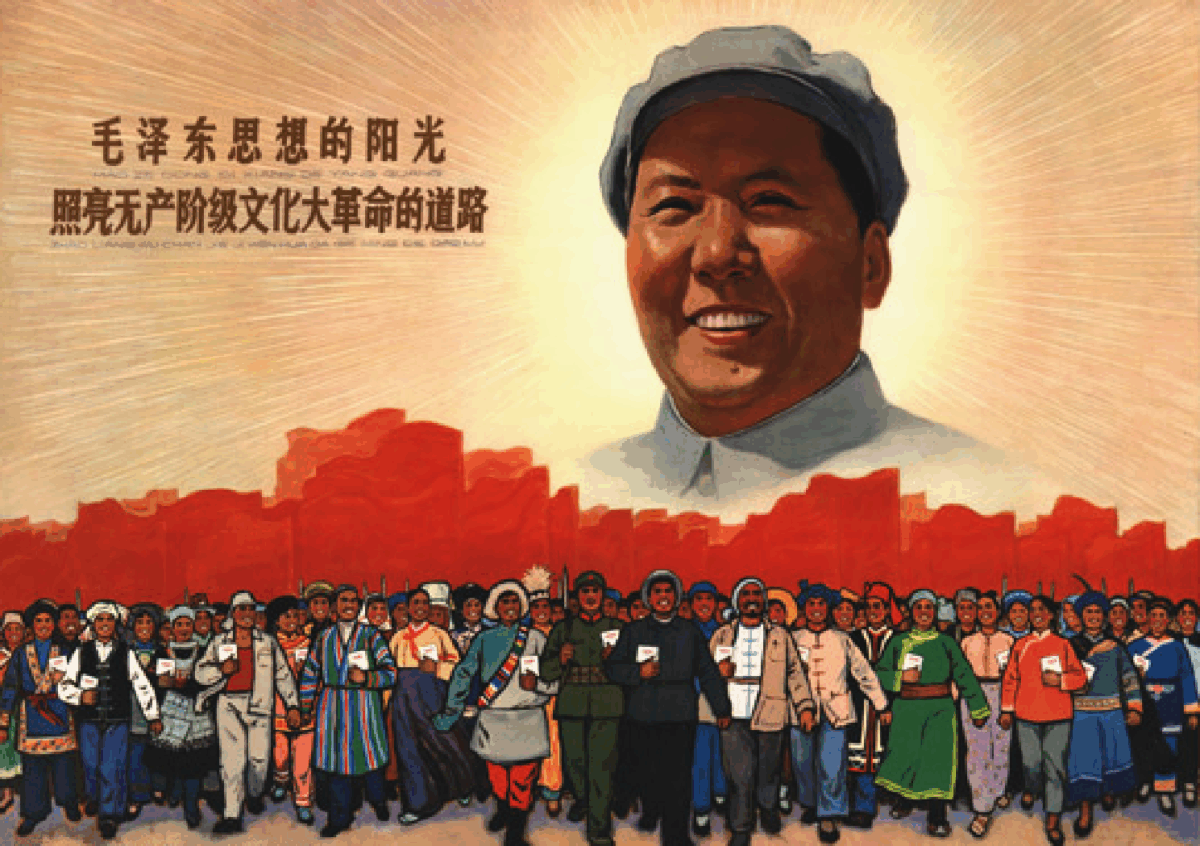
But still my instinct was that I hated what was happening in my school, from the summer of 1966 onwards. My school was the oldest school in China, founded in 141 BC, and all its antiques, the Confucius Temple, and the garden were all destroyed. When we had to go out and remove the grass from the school lawn, that just went against my nature, as I came from a very plant-loving family: I had even thought I wanted to become a botanist, and discover new species. I had to criticize myself for having these thoughts that were contrary to Mao’s teachings. He said cultivating flowers and the grass was a bourgeois habit and we should get rid of the gardeners; in fact, the gardener of my school died after being beaten up.
I hated all that, and seeing teachers being subject to denunciation meetings. The whole thing was ghastly. When I was trying to make sense of all this in writing the biography of Mao, I particularly held it against Mao for making children victims. His true target was [former Chinese premier] Liu Shaoqi, and other Party guys. Another dictator might just have arrested and killed them, or whatever. But not Mao: he wanted to create this gigantic terror in the whole country, using the Red Guards. He made teachers and even pupils the victims, even though he described himself as a teacher, which he had been. In order to bring out this violence he brought out these horrible, sadistic instincts from young people. When I was later writing about Mao, I was so furious.
Has writing your books served almost as a process of removing the indoctrination that you grew up with?
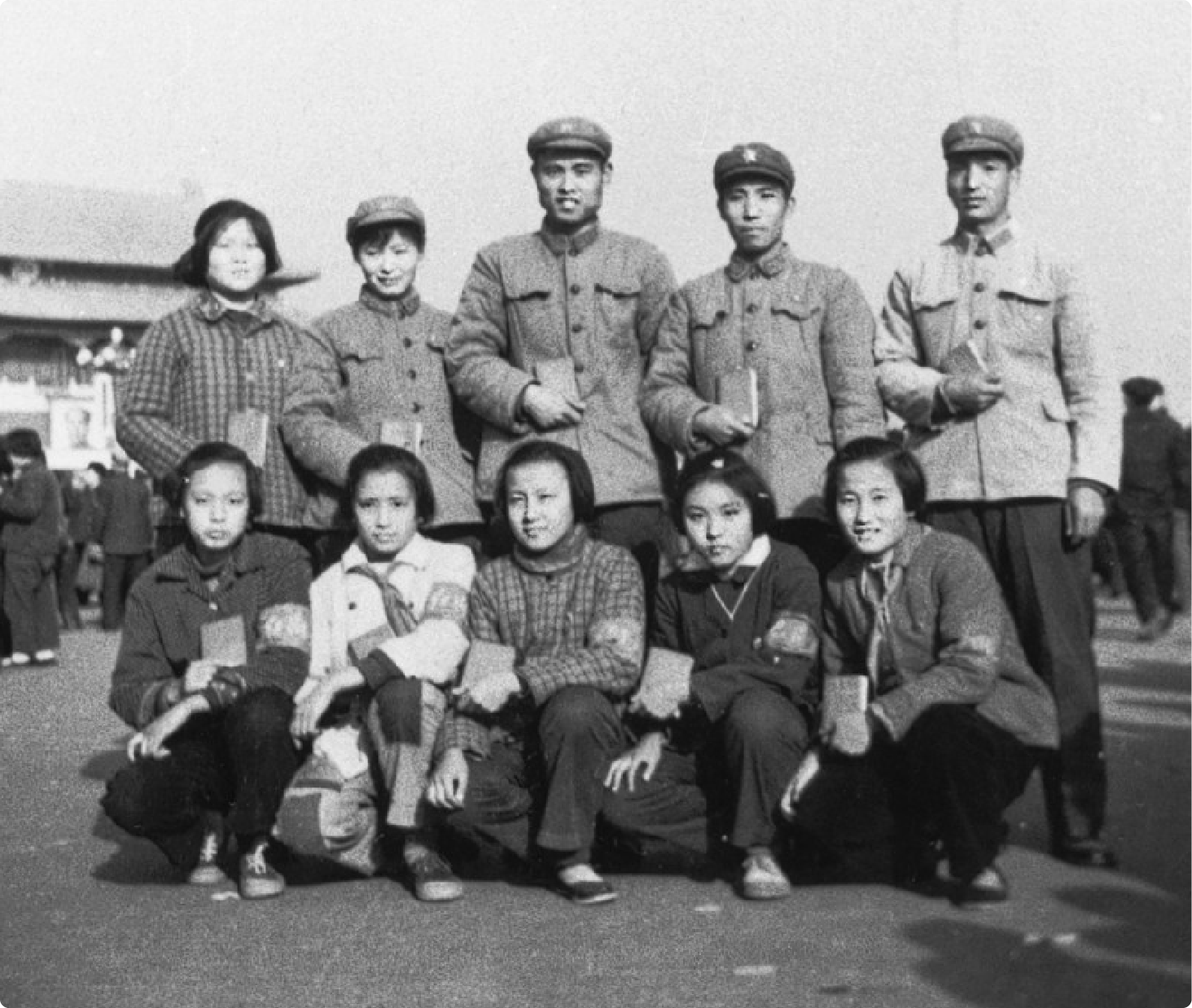
Yes. Growing out of indoctrination has come in stages. The first stage was hating all that was happening in the Cultural Revolution, when I was 14. But, of course, I wouldn’t think of questioning Mao, nor the society, at that time. And even though I hated what the Red Guards were doing, I never said to myself, I should reject becoming a Red Guard. So when I was allowed to join the Red Guards on the October 1st National Day in 1966, I went back to school and put on the shoulder badge. I was only a Red Guard in the school for two weeks. After that I went to Beijing with some of my girl friends to see Mao, on 14th October, 1966: I remember the date very well. After we came back I left the school all together.
Then on my sixteenth birthday, March 25th 1968, I wrote my first poem. I was lying in bed, polishing my poem when I heard the door banging: the Red Guards had come to raid our flat. If they had seen my poem, I would have got into trouble, and my family too. So I rushed to the bathroom to tear up my poem and flush it down the toilet. Afterwards, as my grandma was sobbing next door, with my parents still in detention, I thought to myself ‘we were told Communist China was paradise on earth. If this is paradise, what then is hell?’ So that was the second stage of my disillusionment. But I still never thought of blaming Mao.
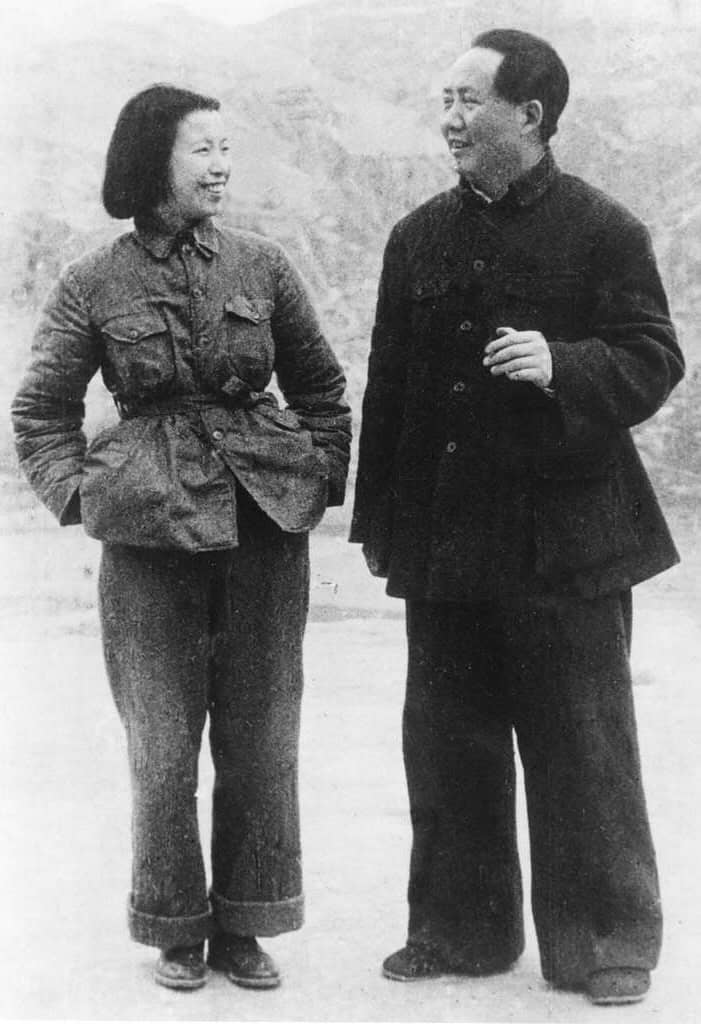
In fact, for several years, I never thought of blaming Mao, but gradually came to blame Madame Mao [Mao’s last wife, Jiang Qing], and the Gang of Four [a group of hardline Communists who were highly influential during Mao’s final years]. Until one day, in 1974 — by which time I had learned a little English, as I went to university in 1973 — a friend lent me a copy of Newsweek. There was an article about China, with two little pictures of Mao and Madame Mao, with the caption saying “Madame Mao is Mao’s eyes, ears, and mouth.” And I suddenly realised that of course, Mao was responsible, not Madame Mao, not the Gang of Four. That was another moment I started to question Mao directly in my head. And when Mao died [in 1976], I was in China with fellow students. There was a crying orgy going on around me, but I was dry eyed; I had to bury my head in the shoulder of a student in front of me. She was heartbroken and I just wasn’t.
Many years later, I started to think more deeply about Mao, when we started the research on his biography in 1993. Before that, when I was writing Wild Swans, my mother gave me a very good piece of advice, that I must write a personal story and not get into history, because she could see that my ideas about history were still heavily influenced by the indoctrination I had received when I was in China. My mother saw that in a letter I wrote her to ask her about details for Wild Swans. The indoctrination had built it into a habit. I suspect this is the kind of state that many Chinese people, including intelligent Chinese, and including many Sinologists, are in.
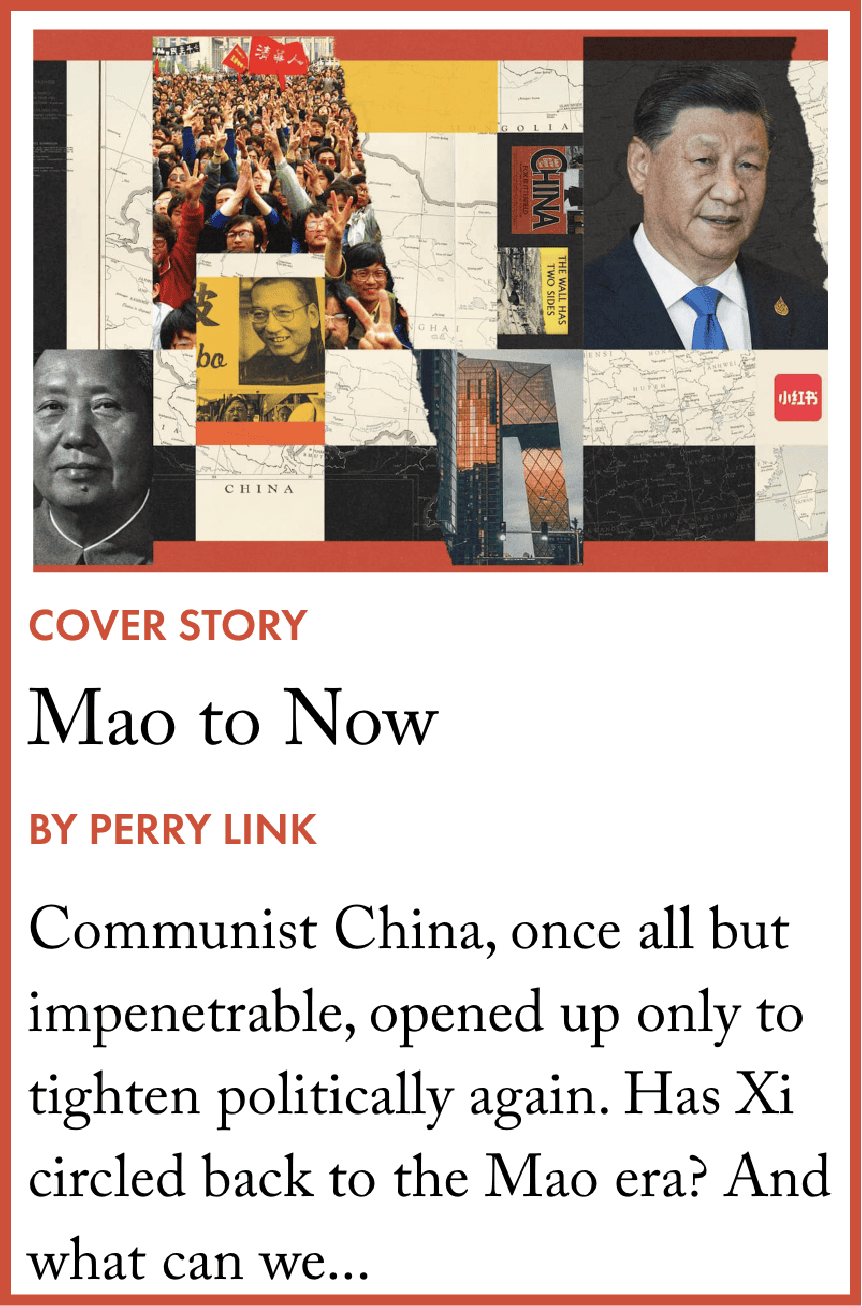
I took my mother’s advice and wrote Wild Swans with the minimum mention of history. But after I started to research and learn about Mao, from 1993, my ideas underwent a dramatic change.
A lot of people in your position might have shied away from writing a biography of someone like Mao, because they would rather forget about the past. But you decided to meet his legacy head on, by writing about him, alongside your husband.
I had that way of thinking throughout the 1980s. I had come to Britain in 1978 and decided I didn’t want to think about the past; exactly as you say, I wanted to forget all about it.
But my mother encouraged me to write Wild Swans. And I think it was a cathartic experience. It made the past not so painful that I still wanted to run away from it. I could now talk about it, I could look at it, and I became intensely curious about it. Through writing Wild Swans, I came to have many questions, and the official explanations didn’t make sense.
Among the older generation, Mao apologists often quote the expression that we can’t make an omelet without breaking eggs. For them, it may just be a harmless expression, but what these apologists really think is that all the people are the eggs.
So I wrote about Mao more out of curiosity, initially, than out of confronting this monster. I had experienced so many shocks, but as with the great famine, I had no idea how they had been caused. Even though I knew it was not due to bad weather, I still thought it was due to Mao’s ignorance of economics. I had no idea he knew there would be a famine beforehand, and that he deliberately killed his own people. The writing process increasingly expanded my notion of evil: I had never dreamed that people could be so evil.
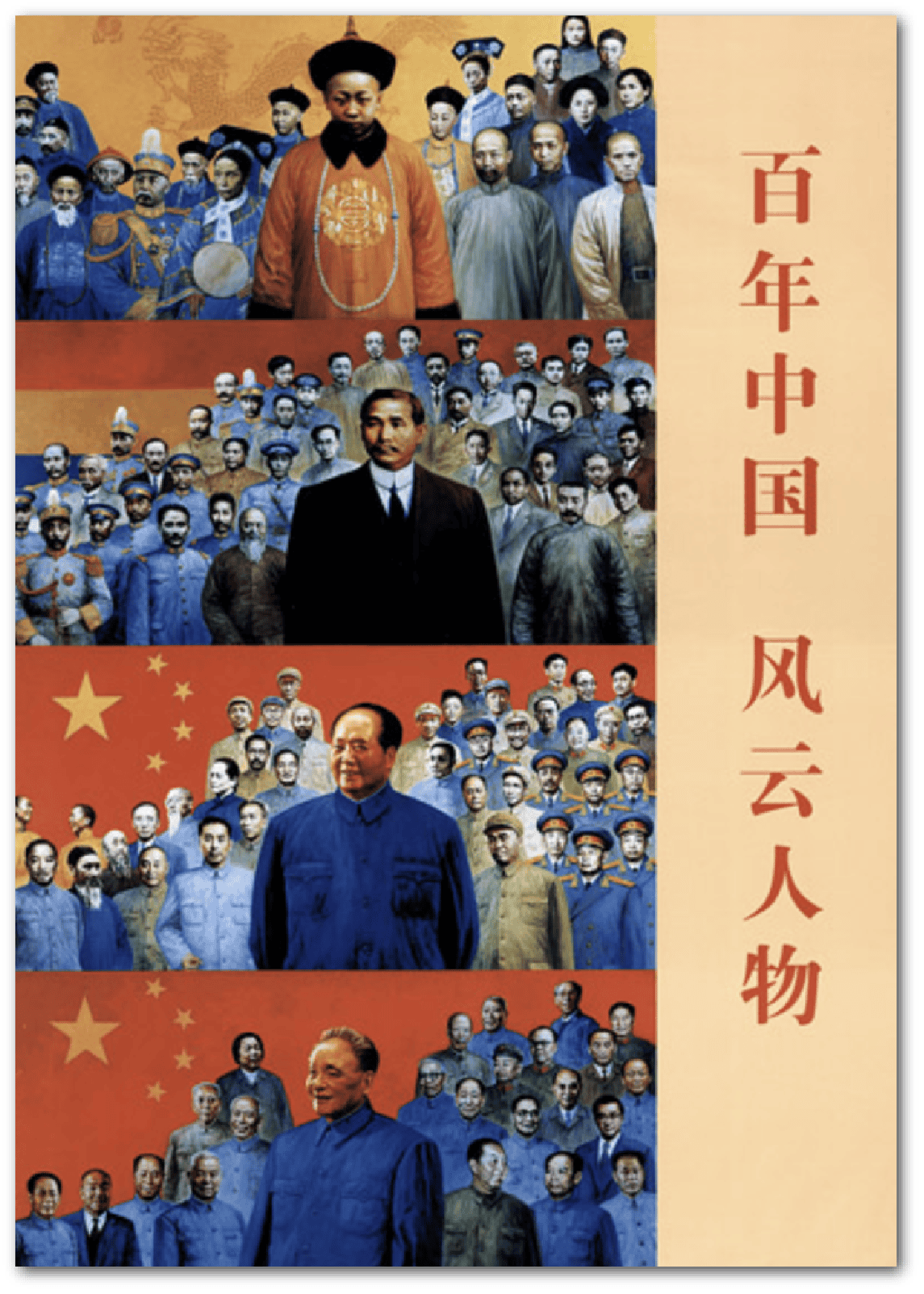
Switching to another Chinese leader: your family was close to that of Deng Xiaoping, back in Sichuan. In many Western people’s eyes, he was largely responsible for China’s reform and opening up; but he was also the architect of the tragic Tiananmen crackdown in 1989. How do you look back on Deng now?
I think probably the Western view is correct. I mean, he was both. What I think is that ultimately, he was a Communist, one who had been through many bloody years and many purges. He had been on the receiving end in the Cultural Revolution. After what happened to his son, his wife wanted to kill herself [Deng Pufang became a paraplegic after Red Guards pushed him from a window in 1968].
But that’s what communism does: This is how hardliners, Leninists, Stalinists, Maoists think. Among the older generation, Mao apologists often quote the expression that we can’t make an omelet without breaking eggs. For them, it may just be a harmless expression, but what these apologists really think is that all the people are the eggs. I think that was probably also Deng’s way of thinking: You can’t achieve the goals of communism without human sacrifice.
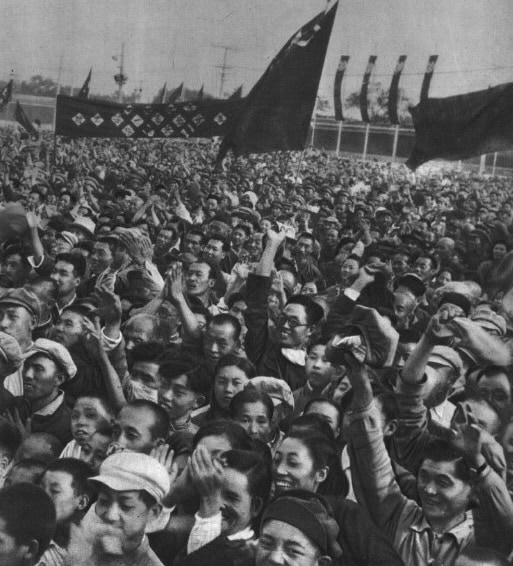
They are not like normal people. China’s Communists, like Stalinists, like to say they are made of special material. And in a way, they were — through indoctrination, through purges. A lot of people of my generation of Communists, and their descendants, still think that way. Among my friends, even people whose parents suffered tremendously, they still blame me for writing about Mao.
Do you think these days support for the CCP stems more from the fact that people believe that only it can run China? Or do they continue to support the Party through greed, or a lust for power?
I think it’s a mixture of all sorts of things, not least the benefit of being a Communist in an era of reform that was led by Communists. China’s reforms were led by the party; and so the party, in a way, has never lost its position of privilege. It’s not like Russia. And so the main national state-owned enterprises are mainly headed by Communist descendants. Even leaders of private enterprises usually seek to make friends with people who are connected with the Party. There is that level of self interest. And therefore, it comes very naturally to such people that they would want to keep the state forever red; their children and their children’s children will go on benefitting forever.
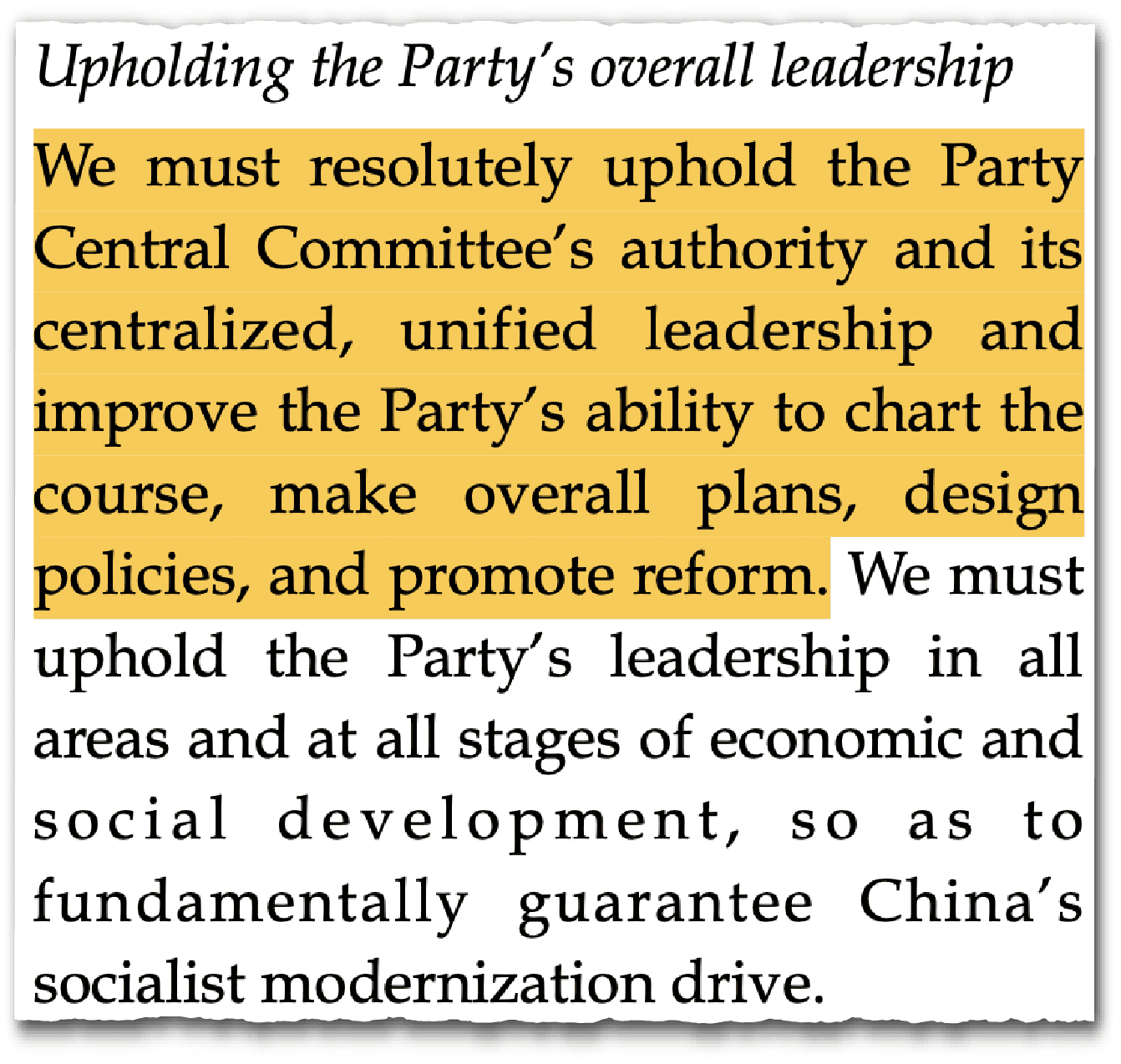
There’s also now an implicit bargain whereby the CCP promises to keep standards of living rising in China, in return for retaining a lock on power. Do you think that’s a bargain that they can continue with indefinitely?
I think it’s a reality, but I don’t think it’s a bargain, because I don’t think the party bargains with anyone. This is their decision. Way back when I began to research about Mao, I talked to a person who was at the very center during Mao’s last days. And he said to me, in his Beijing dialect, “We, the Communist Party will let you have everything. But we will never let you have our throne.” That was a moment of revelation to me.
Whenever Chinese prosperity gets to a stage where people start to have further aspirations, they will clamp down. That is why the princelings had to come to power, because they are the ones who will do that: Hence we have Xi Jinping. He is the person that is the most hardline. He will do things like taking back Hong Kong, even though it might cost China a lot economically and make the country very unpopular. He doesn’t care. Only he would do something like that: most other people wouldn’t.
Over the years since you’ve moved to Britain and became a British citizen, you have quite often gone back to China, when you were researching some of your books. But more recently you have decided not to go. Can you talk us through that decision?
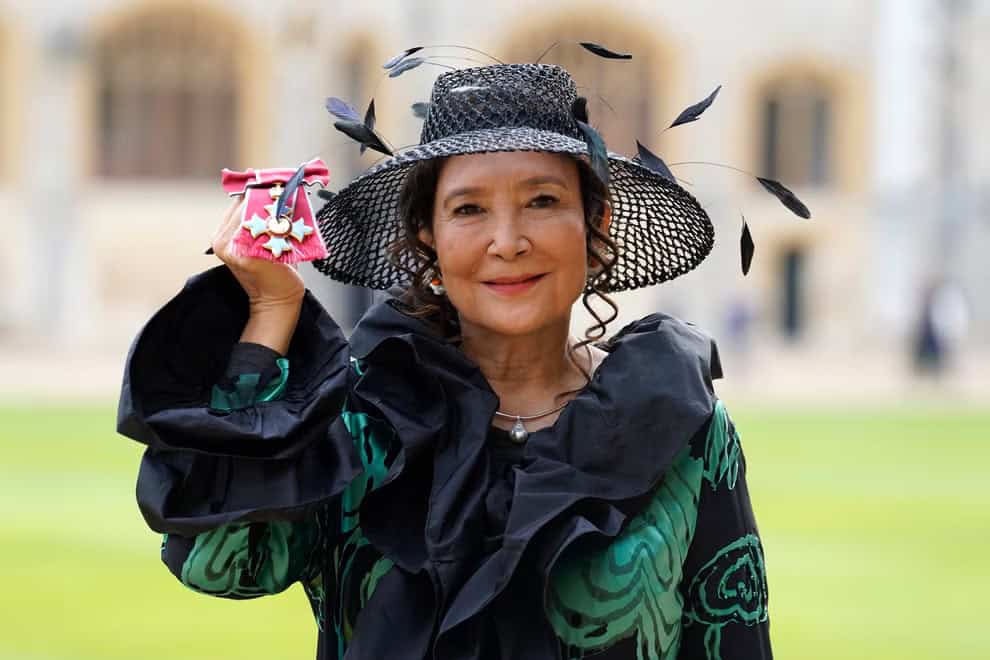
When the Mao biography came out in 2005 and the Chinese edition, which I translated, came out in 2006, the regime decided they must do something: They’d been too nice to me. And so they tried to ban me from going to China to see my mother. At that time, I fought to go and see my mother and the British government, as I write in the book, helped me. Reluctantly, they agreed that I could go back, for about two weeks at a time, to see my mother.
At that time, around 2007, China still needed the West. It hadn’t gone so powerful and rich that they didn’t care. They wanted to be nice to the West and have the Olympics [in 2008]. I still had to fight to go back every year… until 2018, when Xi effectively made himself the permanent ruler of China [by removing term limits]. One of the first orders he gave was to make it a crime punishable by imprisonment if you were deemed to have insulted revolutionary heroes. And Mao was of course the number one revolutionary hero — the portrait in Tiananmen, his face on every Chinese bank note. I realized then that it would be dangerous for me to go back to China.
Because you fear they won’t let you out?
They won’t easily do that. Having written the biography of Mao, which documented his misrule of China, I’m sort of a sitting duck.
On the other hand, you’re quite famous, and you’re a British citizen now.
They wouldn’t care. In 2007, they cared. But now, after 2018, they don’t care.
The crackdown in Hong Kong really took me by surprise [following protests there from 2019 onwards]. I thought they would make some sort of compromise, like Xi’s predecessors following previous demonstrations. But Xi just took back Hong Kong. Britain couldn’t protect Hong Kong, so how can they protect me? I would be completely without protection; by this stage they don’t care about me being famous.
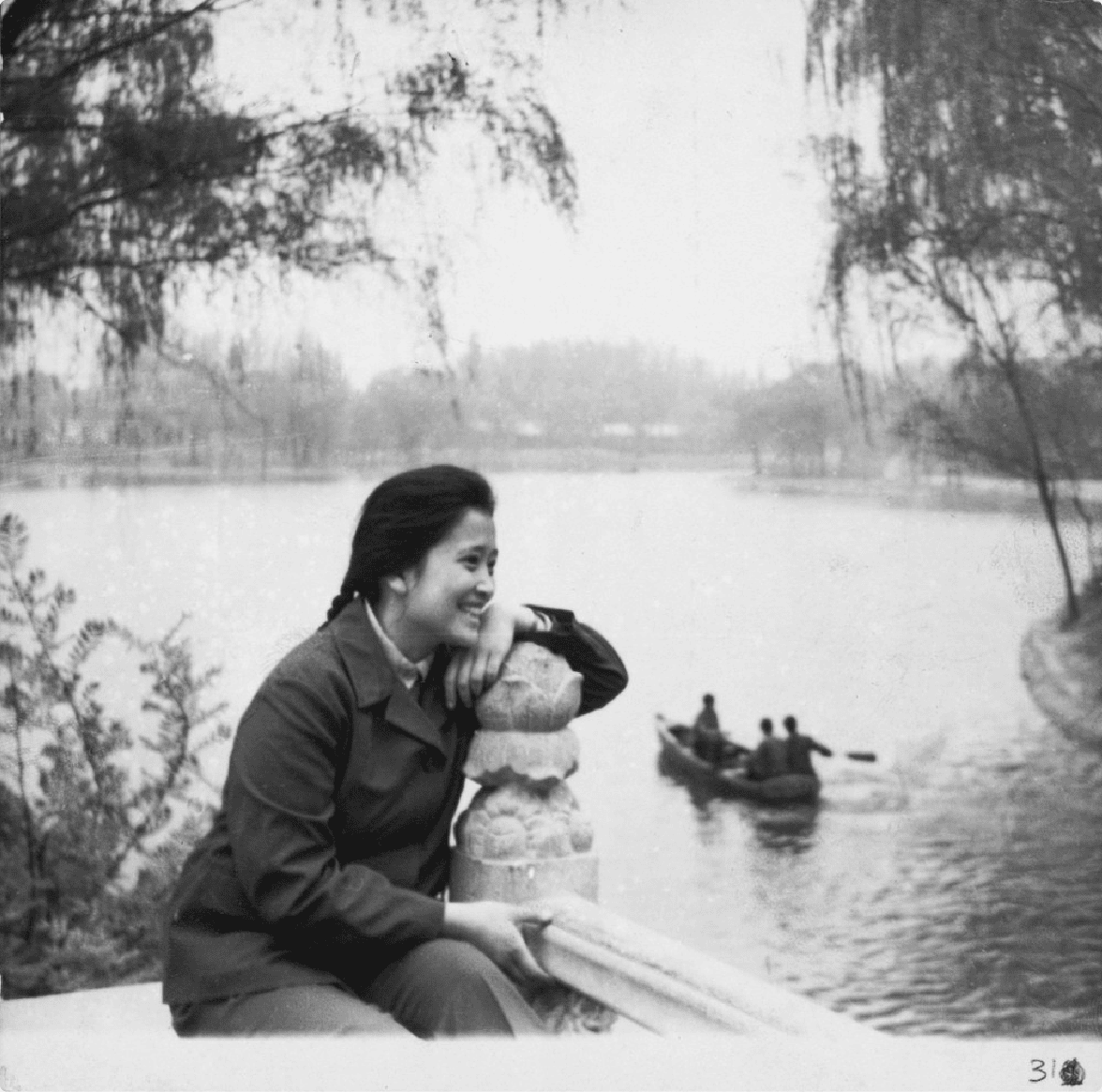
Jumping back to your early days in Britain, that must have been an extraordinary experience, walking around London in your Mao suits as one of the first cohort of Chinese students to study abroad, post-1976.
By then, I was intensely curious about the West. China’s isolation is unimaginable now. The only Western film I had seen was the Sound of Music, which I saw one year in Beijing. I rode a borrowed bicycle for what seemed like hours in a sandstorm to get to this compound, to watch the film in the open air. It’s not like people today, say, writing about the Victorian times where you have some image of what it was like. For me there was absolutely no image of what the West was like.
In the book I write about how I was curious about everything, it was all new. A cup of coffee, new; a bottle of mineral water, new; a lump of sugar, new, everything was new — not to mention going into a pub. I’d never used a hair dryer before I came to Britain.
Andrew Peaple is a UK-based editor at The Wire. Previously, Andrew was a reporter and editor at The Wall Street Journal, including stints in Beijing from 2007 to 2010 and in Hong Kong from 2015 to 2019. Among other roles, Andrew was Asia editor for the Heard on the Street column, and the Asia markets editor. @andypeaps